
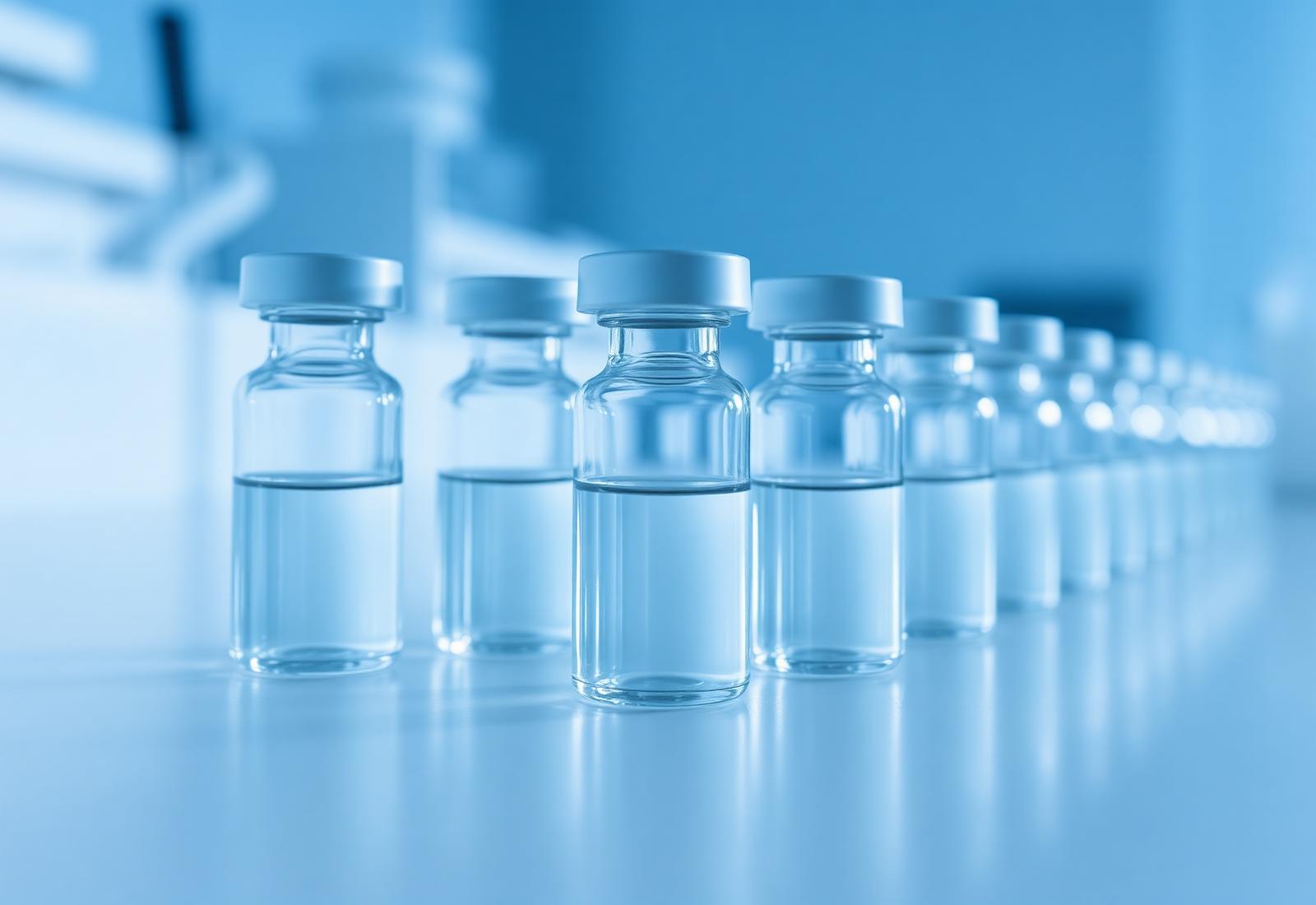
1. Purity is the whole product
A research peptide is only as useful as the analytical data behind it. Two techniques do the work: HPLC (High-Performance Liquid Chromatography) quantifies how much of the material is the target compound, and mass spectrometry confirms that the molecule is in fact the one on the label. Anything under roughly 98% introduces variables you cannot control in an assay.
Ask for a report that names a batch number. A generic PDF that is reused across every lot tells you nothing about the vial in front of you. All of our reports are published openly on the lab results page.
2. What a Certificate of Analysis should contain
- Compound name, house code and batch or lot number
- HPLC chromatogram with the calculated purity percentage
- Mass spectrometry trace with observed versus theoretical mass
- Net peptide content, appearance and the date of analysis
- The name of the laboratory that performed the analysis
3. Shipping inside the European Union
Because goods circulate freely between member states, an intra-EU shipment needs no customs declaration and attracts no import duty. From our Dutch warehouse most European destinations are reached within one to three working days, and every parcel is tracked end to end.
The exceptions worth planning for are the non-EU countries in the region: the United Kingdom, Switzerland and Norway all process shipments through customs, which adds time and may add local charges. Our terms are set out in the shipping policy.
4. Storage and stability on arrival
Lyophilised peptides are stable for shipment at ambient temperature, which is why they travel as a dry powder. On arrival, the powder belongs in a freezer; reconstituted material is far less stable and should be handled according to your own laboratory protocol. Record the date of receipt against the batch number so results stay traceable.
5. The research-use-only framework
Everything we supply is for laboratory research by qualified personnel. It is not a medicinal product, not a food supplement, and it is not approved for human or veterinary administration. Ordering means confirming that you are working in a research context — see the RUO disclaimer and the researcher attestation for the exact wording.
6. A short supplier checklist
- Batch-specific HPLC and MS reports, published rather than sent on request
- A European warehouse, so delivery does not depend on customs
- Clear labelling with compound, batch and research-use-only statement
- Traceable shipping with a tracking link per parcel
- A company you can reach: address, registration and a named contact
Frequently asked questions
What purity should a research peptide have?
At least 98% by HPLC, with identity confirmed by mass spectrometry, and a report tied to the batch you received.
Do shipments within the EU clear customs?
No. Intra-EU parcels move in free circulation. Shipments to the UK, Switzerland and Norway do pass customs.
What does research use only mean?
The material is intended for in-vitro and laboratory research only, never for human or animal use.
Continue reading
New to the subject? Start with what peptides are. Country guides are available in Dutch, German, French and Spanish, or browse the full range in the shop.